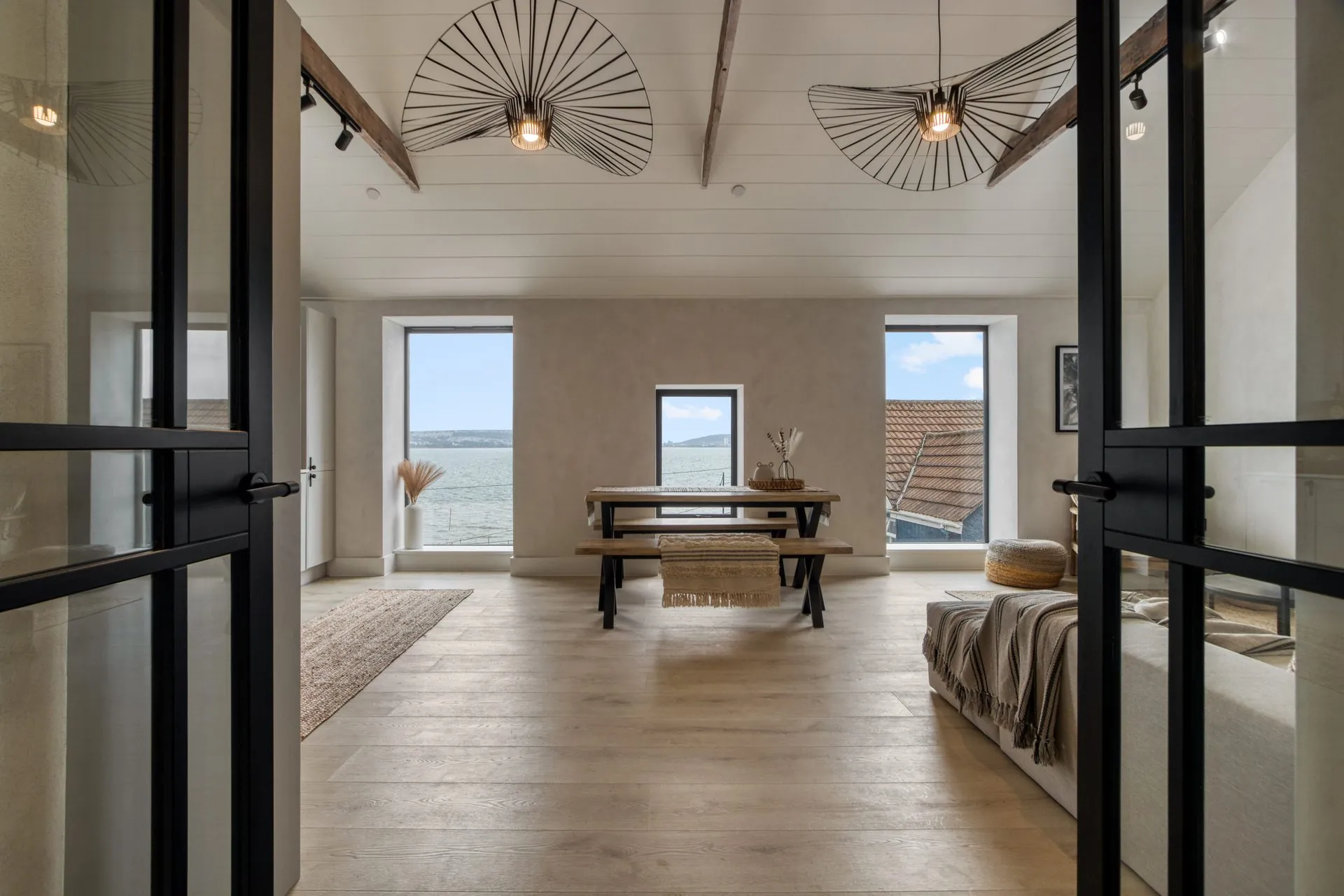
The phrase “coastal interior design” has been worn smooth by Pinterest. White boards. Rope. A starfish on a console. The truth is simpler. A coastal interior should feel coastal. It should not be themed. The difference is meaningful, and most of the houses we love sit on the right side of it.
What follows is how we shape a coastal interior at Studio AROS, sharpened by recent work on the Welsh coast.
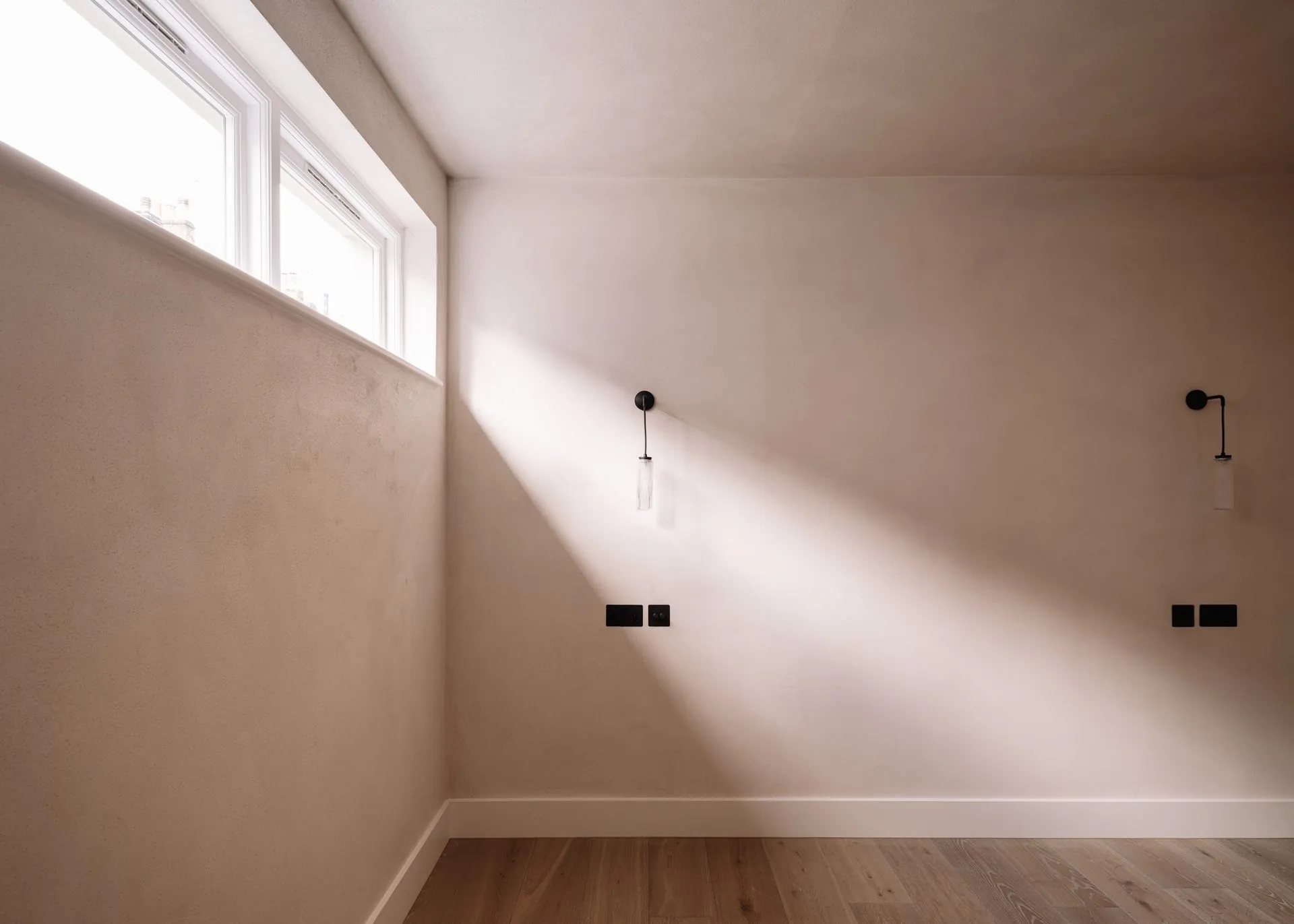
Let the light brief the room
The most useful thing you can do on a coastal job is sit in the rooms at four times of day. Coastal light has a different temperature, a different density and a different colour cast at every hour. It lifts material in ways that inland light never will. Once you know how the rooms behave at first light, mid morning, late afternoon and dusk, palette decisions almost write themselves.
A coastal interior should feel coastal, but it should not be themed.
Material, not motif
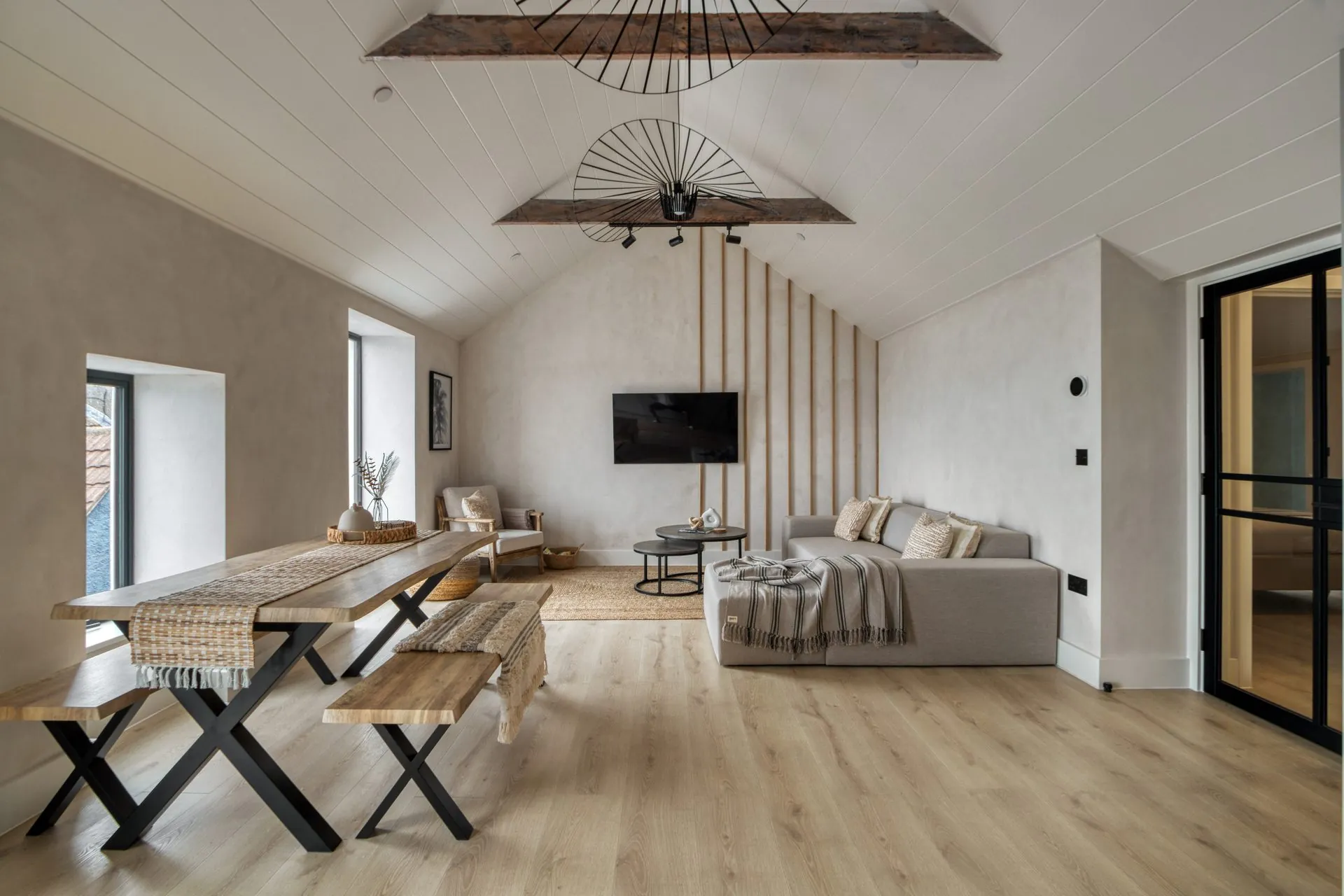
Anchors are motifs. Driftwood is a motif. A piece of local stone in the fire surround, the same stone you see in the cliff path outside, is material. Coastal interior design works best when the place enters the room through what something is made of, rather than what something looks like.
Our shortlist on coastal jobs:
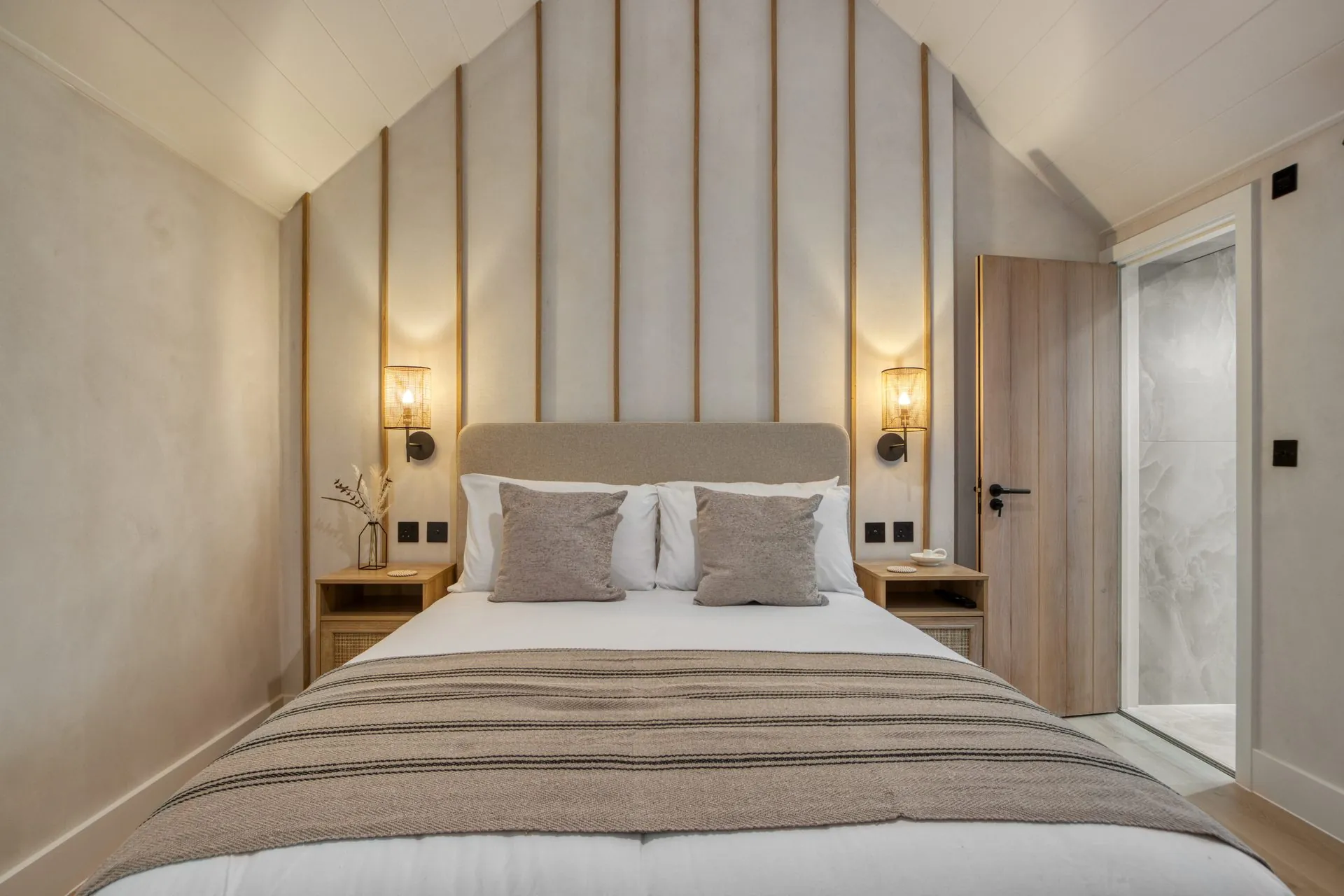
- Limewashed walls, slightly off white, breathable, forgiving of damp.
- Oiled oak floors and joinery. Pale enough to lift the light. Warm enough to keep the room out of clinical territory.
- Linen and bouclé on upholstery, often left un dyed.
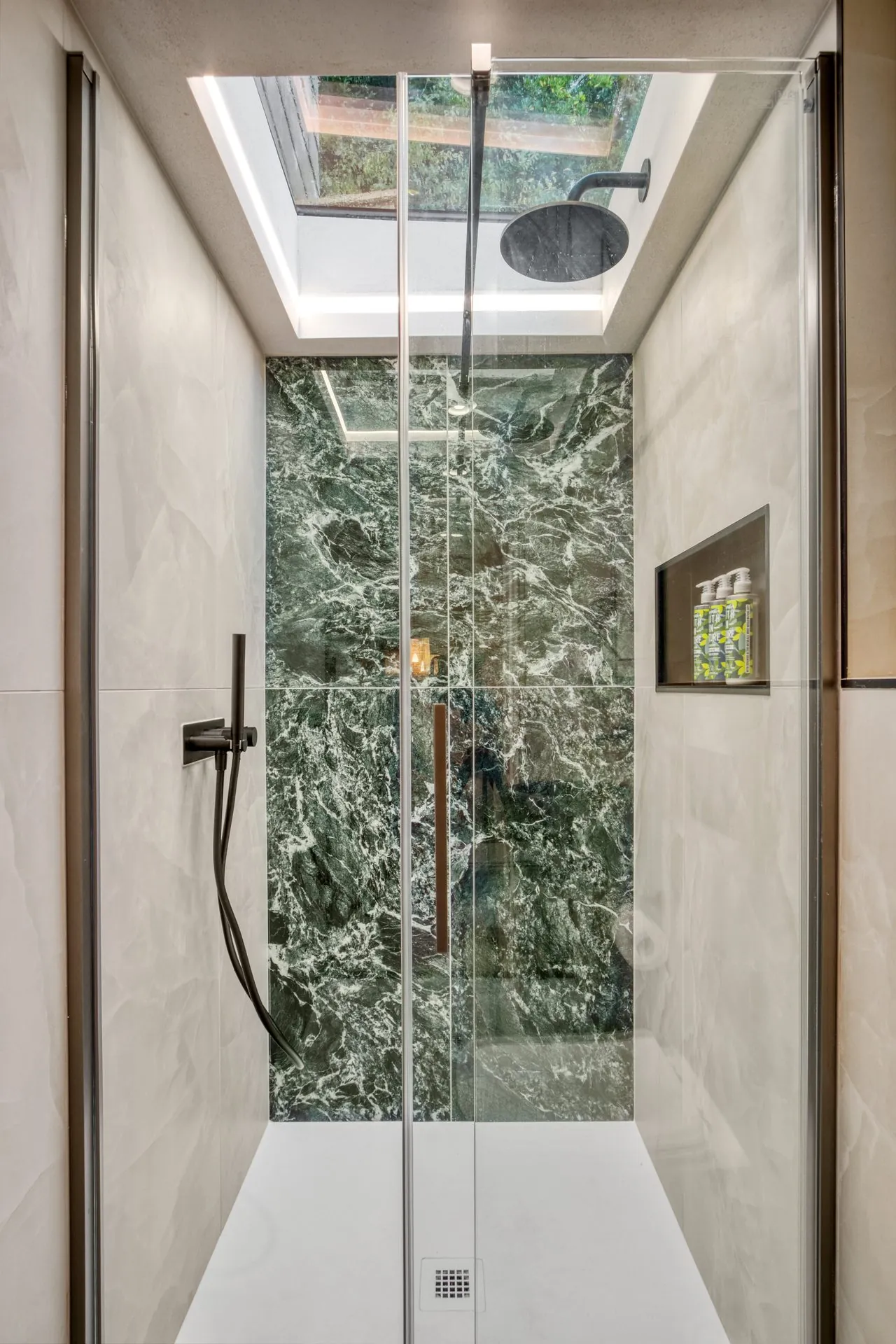
- One harder material in the room: marble, aged brass, polished concrete. The hardness sharpens everything around it.
A palette that runs warm and narrow
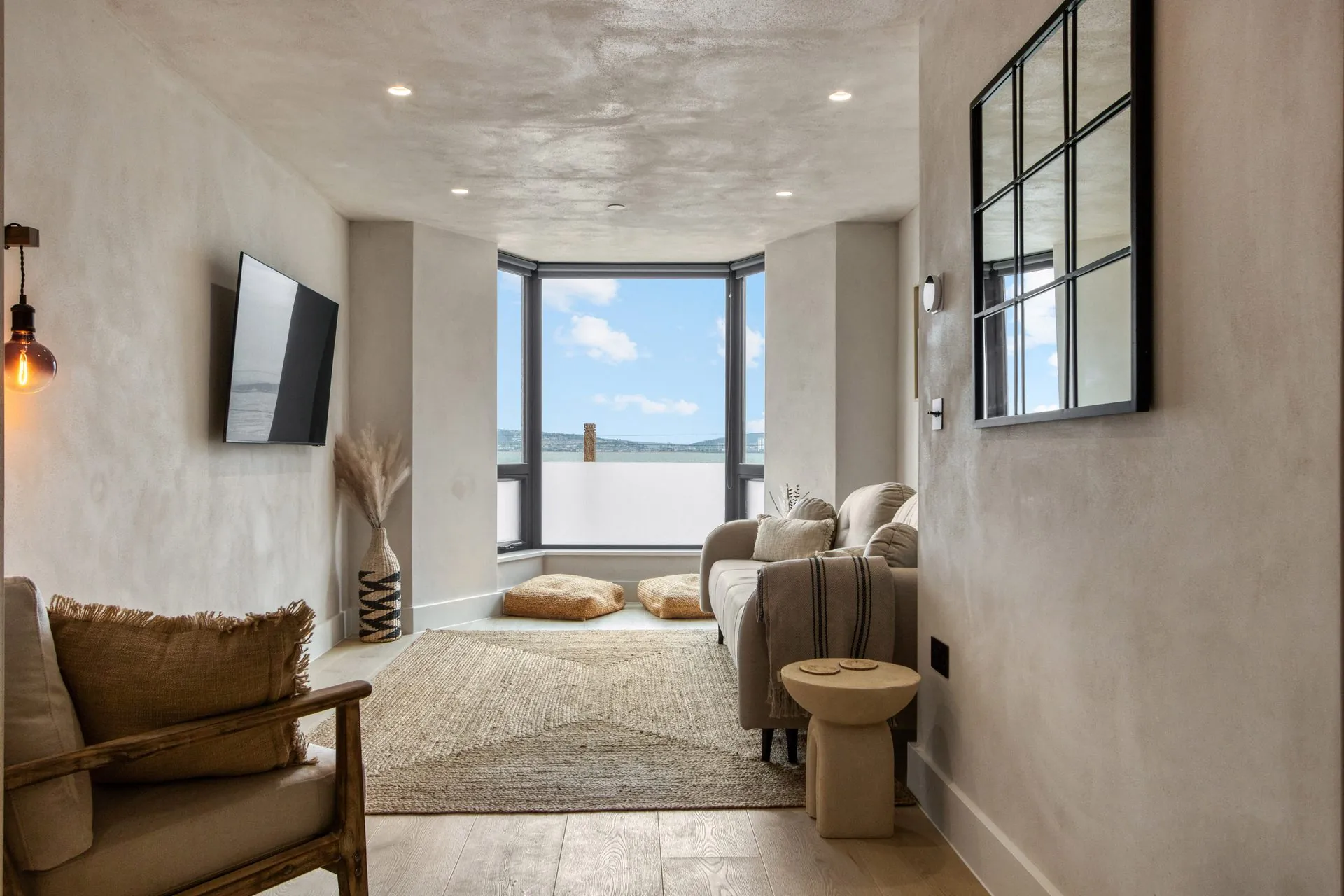
Most failed coastal interiors are too cold. The blue and white nautical palette photographs well on a screen, then feels institutional in person. Push warm. Chalk, oat, putty, lichen, sandstone. Add one accent that points to the specific place. A deep slate for a Welsh project. Rust for a Cornish one.
This is also where coastal interior design and organic interiors overlap. Honest, narrow palettes age better than fashionable ones, every time.
Heat the rooms for the off season
The first half of the year on the British coast is wet, cold and, for a holiday property, under booked. A house that is genuinely warm in February books better than one that looks great in August. Underfloor heating, a properly engineered hearth, layered curtains, generous rugs. They aren’t cosmetic. They’re commercial.
Frame the view, don’t flatten it
It is tempting on a coastal project to throw a whole gable into glass. Sometimes it works. Often it turns the room into a viewing platform. Pleasant for ten minutes. Less pleasant for an evening. The houses that age well frame the view. A generous opening, with enough wall around it that you also feel held.
Make the threshold do work
Coastal homes need a transitional zone. Wet boots. Sandy dogs. Towels still half soaked. The boot room is one of the most important rooms in the house. Its absence is felt at every changeover.
Run the planning case alongside the interior
Many British coastal projects sit inside Areas of Outstanding Natural Beauty, conservation zones or coastal protection areas. The planning case is part of the design. We run interior, architectural and planning work in house, so the design and the consent shape each other rather than push against one another. That’s how a project like our Gower coastal conversion ends up reading the way it does.
Step back
The coast already does most of the work. Wind. Water. Weather. The big sky. The interior’s job is to step quietly back from all of that. A great coastal interior is generous, patient and slightly under styled, leaving room for the place to keep happening through the windows.
If you’re thinking about a coastal project, whether a holiday let, a private retreat or a full conversion, we’d love to hear about it.