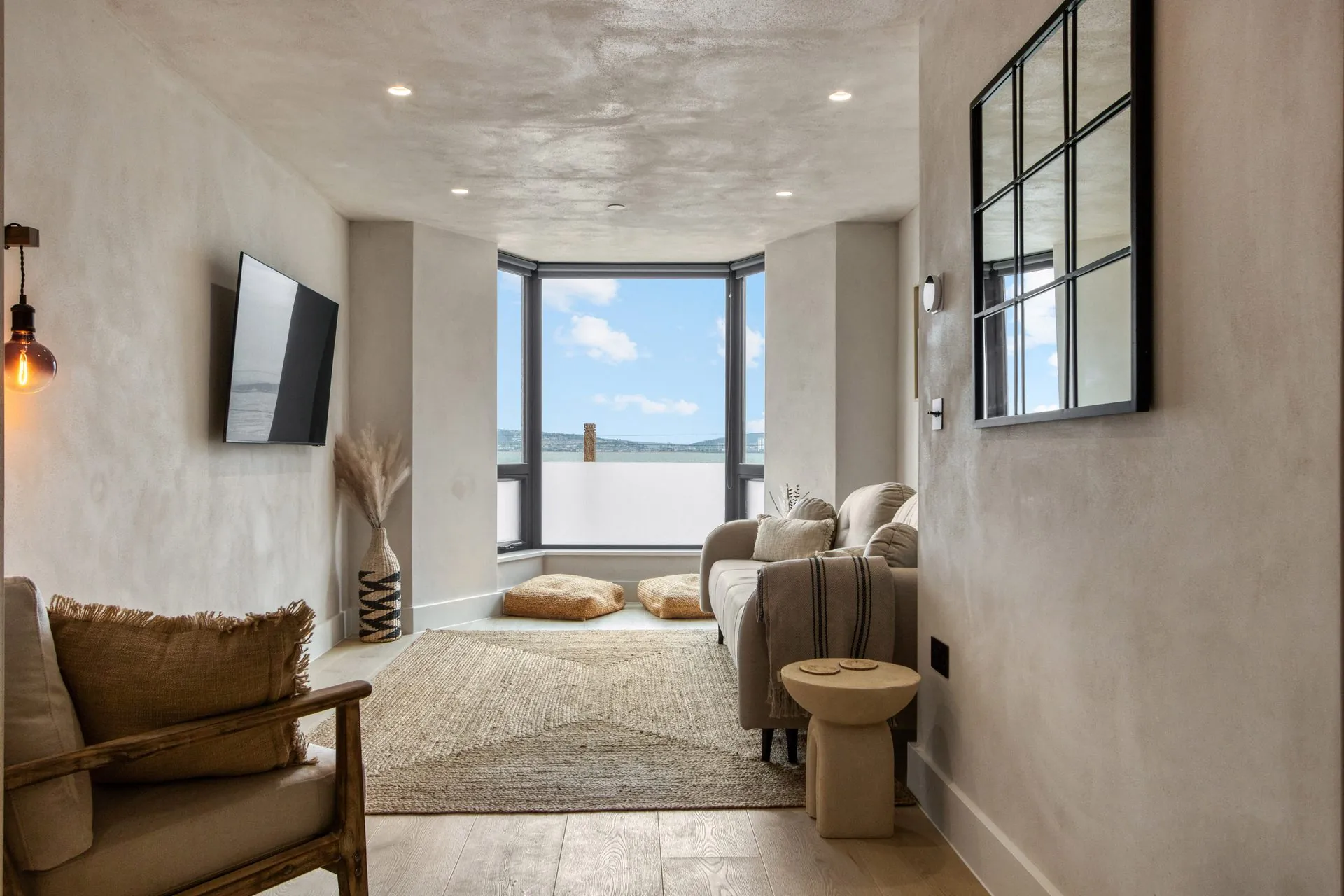
Organic interiors is one of those phrases that started useful and has been worn smooth. On Instagram it tends to get pinned to anything beige with a curve in it. The word deserves a sharper edge. Here is the version we work to at Studio AROS.
Three things at once
For us, an organic interior is doing three things at the same time.
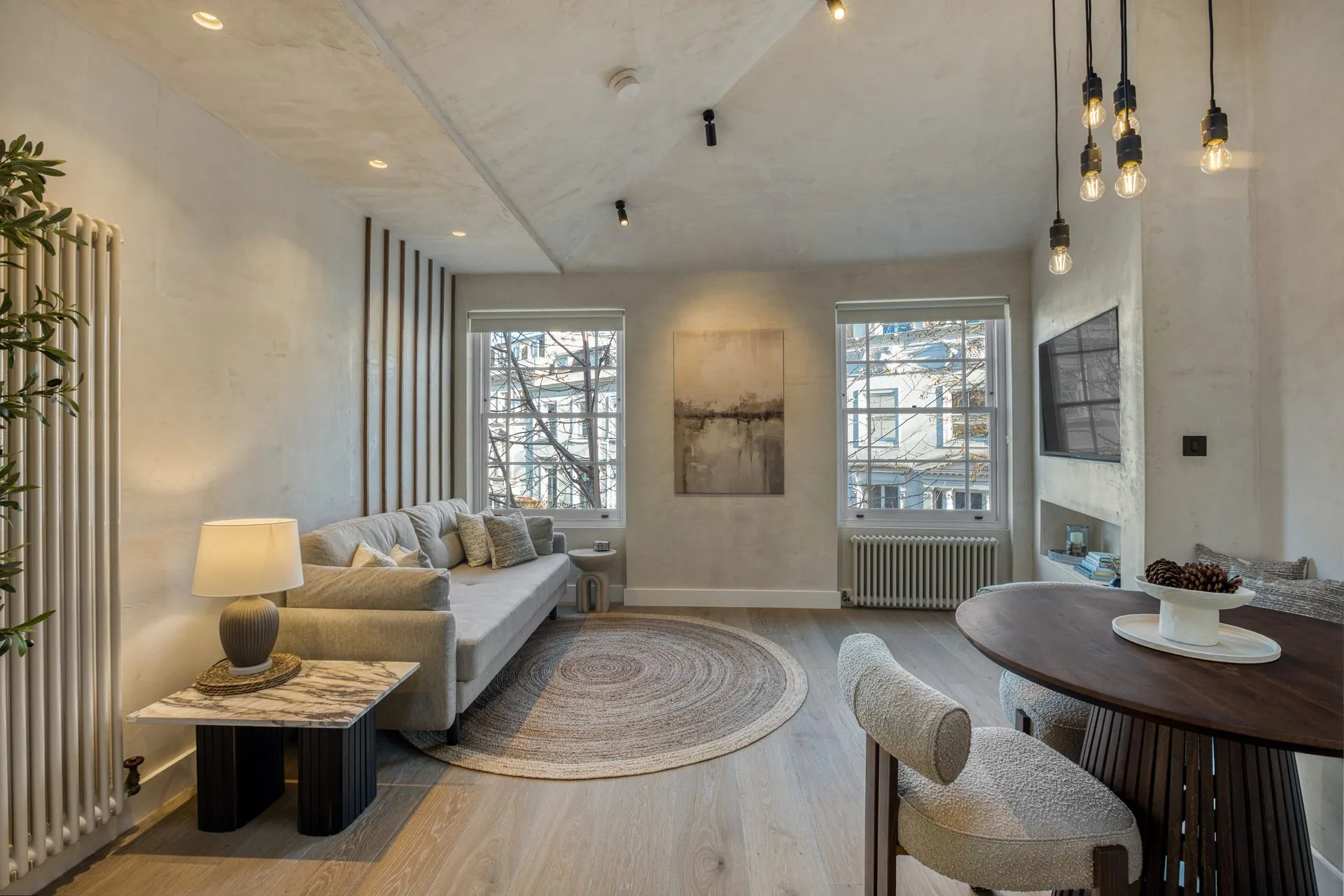
- Honest materials. The room is built from things that are what they appear to be. Stone is stone. Oak is oak. Plaster is plaster. Nothing is laminated to look like something else.
- Soft light. Light is allowed to be light. Daylight, low evening lamps, controllable layers. Very little overhead glare. No scenes that read like a showroom.
- Time as a design material. The scheme is drawn on the assumption that the room will get older. Materials soften, scratch, fade and gain a patina, and the design accepts that. Or even requires it.
An interior that does only one of those things might be called organic colloquially. An interior that does all three earns the word.
The room is built from things that are what they appear to be.
The opposite of organic is sealed, not modern
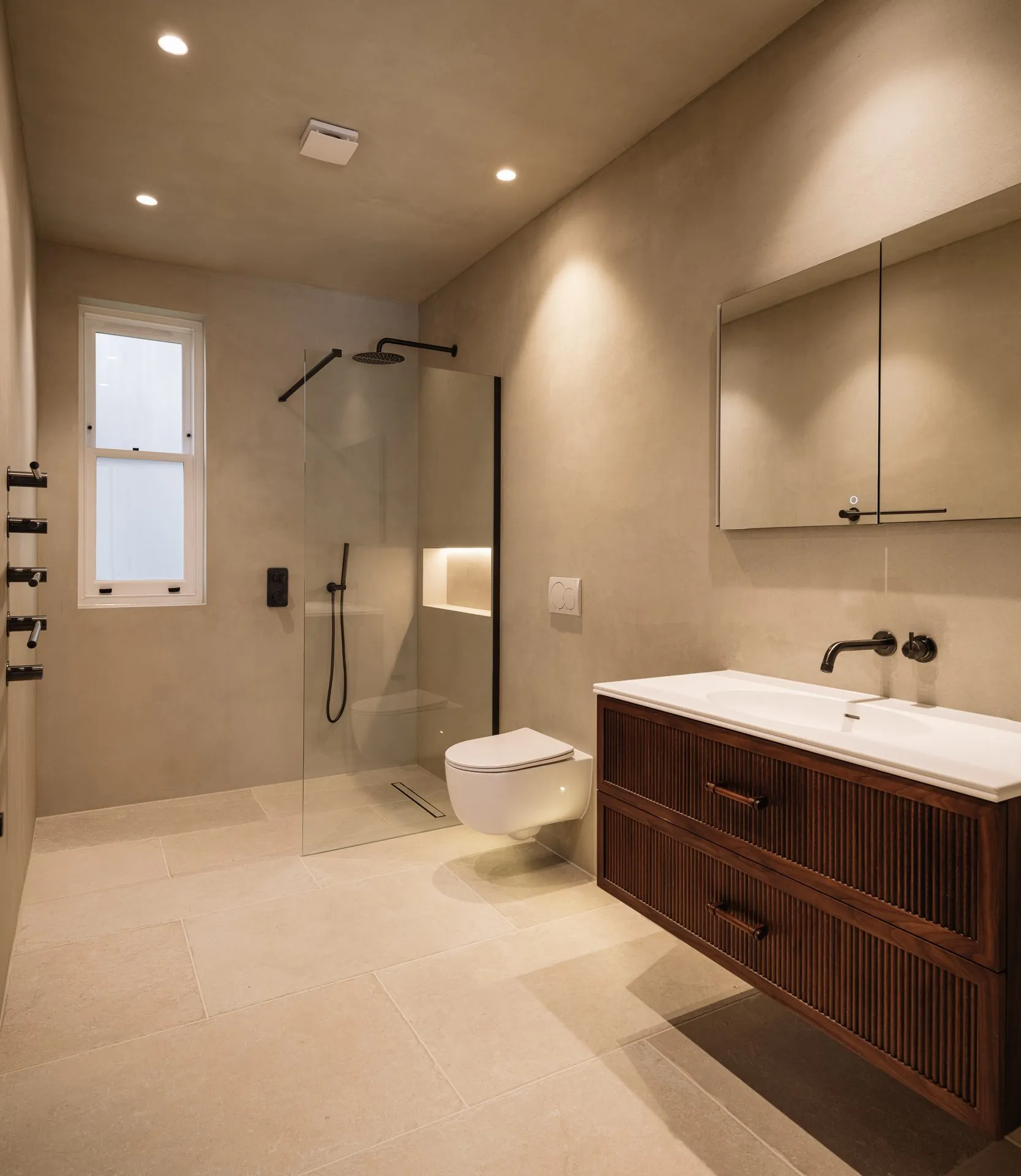
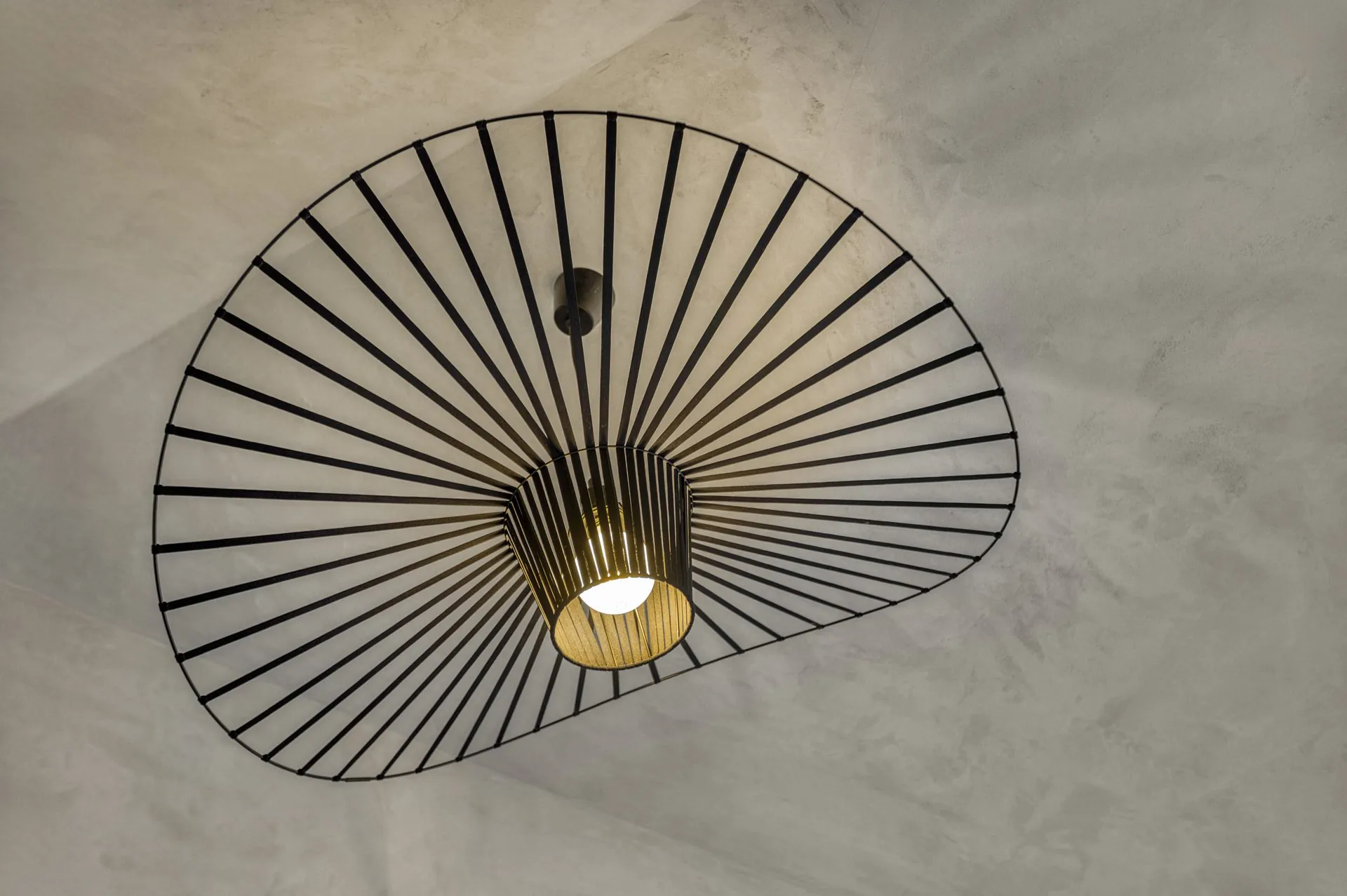
The opposite of an organic interior is a room where every surface is locked behind a film of finish. High gloss lacquers. Vinyl floors pretending to be timber. MDF behind laminate photographed to look like marble. Once you have eyes for it, you can spot the difference across a room in a second. The materials in a sealed room sit on the surface like decals. The materials in an organic room sit through the surface, all the way to the back.
Why this matters for holiday homes
Most of the holiday homes we work on are organic interiors by necessity rather than fashion. A coastal property has to live with damp, salt, sand and ten years of changeovers. The materials that wear best in those conditions are also, by accident, the materials that read as honest. Lime plaster. Oiled oak. Linen. Stone. Naturally darkened brass.
The houses doing the rounds on Pinterest as “organic” right now will look beautiful for a year or two. The houses that are organic, in the sense above, will look beautiful in 2046.
Specifying for time
Some of the practical tools:
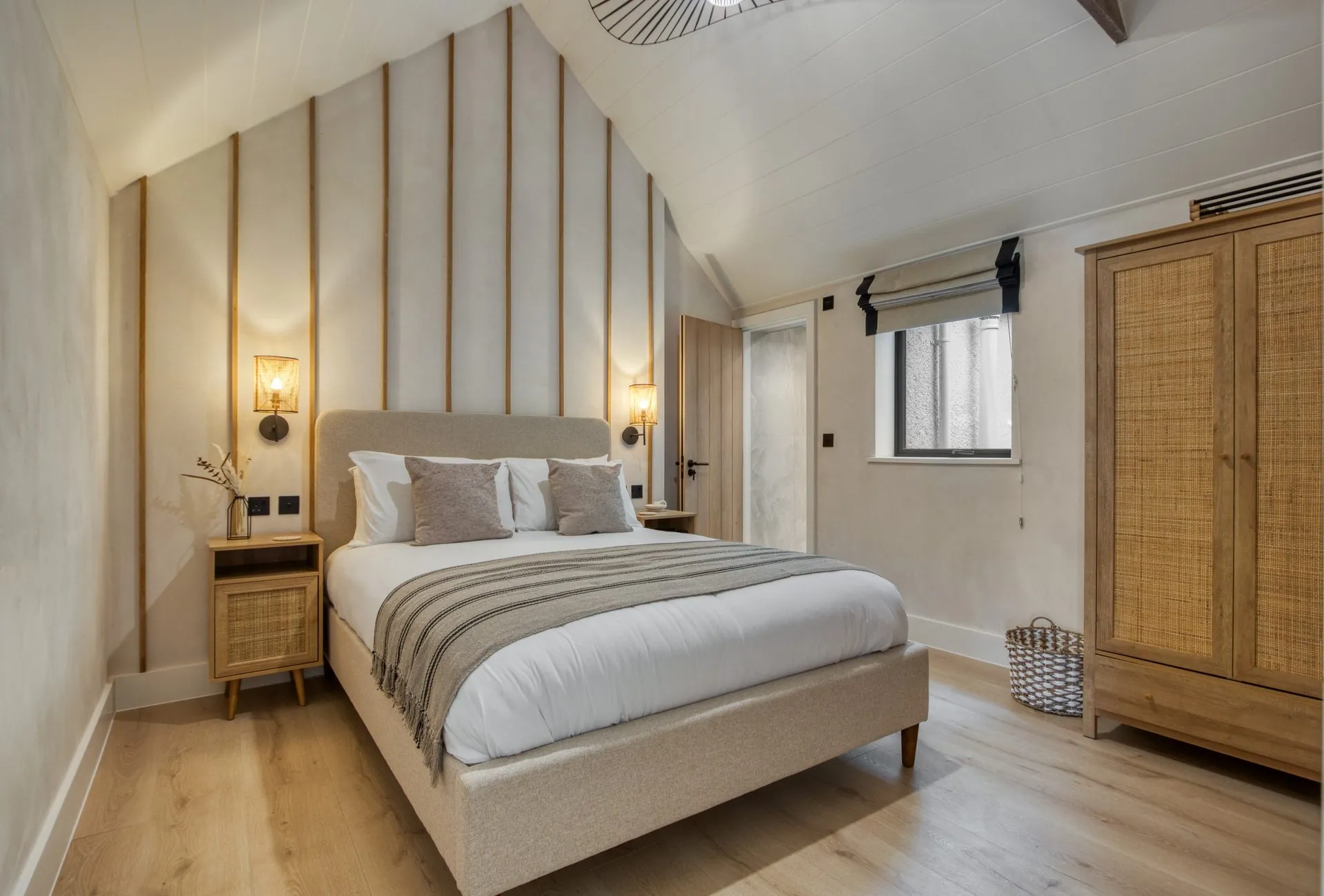
- Floors that can be reoiled, not refinished. A reoil resets the room in a weekend. A sand and relacquer is a project.
- Plaster finishes that develop colour as they cure. The wall in year three should be slightly different to the wall in year one. That should be welcome rather than a problem.
- Brass and bronze ironmongery, not chrome. They darken over years. A kitchen looks settled by year five.
- Upholstery in fabrics that wash, fade or take a slip cover. Not fabrics that have to look pristine to read correctly.
Where coastal and organic overlap
Almost completely. Coastal interior design done well is, in our hands, the same set of decisions as organic interior design. The coast is a setting that demands honest materials and rewards them. The organic palette is a palette that wants weather and salt to do part of its work.
How to start
If you’d like an organic interior, whether for a private home, a holiday let or a full coastal property, walk us through the place and the brief. Get in touch and we’ll come back with a short call.